

🦷 Plaque vs Tartar: What Every Person Should Know in 2026
Introduction
Plaque vs tartar might seem like dental jargon in 2026, but understanding the difference can save your smile. Just 20 minutes after we eat, food particles, bacteria, sugars, acids, and saliva combine to create a soft, sticky film on our teeth. This colorless, sticky substance that forms especially around the gum line is dental plaque. If left untreated, it creates acids that attack tooth enamel, causing cavities and pain.
Understanding the differences between plaque vs tartar is essential for maintaining your oral health. Plaque vs tartar can lead to serious dental issues if not addressed properly.
In this article, we will discuss plaque vs tartar, their causes, and how to prevent their buildup for a healthier smile.
However, the problem doesn’t end there. Over time, untreated plaque hardens on teeth and turns into tartar, which appears as a yellowish-brown crust with a rough texture. Unlike plaque, tartar cannot be removed by brushing or flossing at home – it requires professional dental intervention. Ignoring these dental issues can lead to gum inflammation, bad breath, and even tooth loss. In this article, we’ll explore what causes tartar on teeth, how to prevent both plaque and tartar buildup, and when you should seek professional dental treatments.
Table of Contents
The Importance of Understanding Plaque vs Tartar
What is the difference between plaque and tartar?
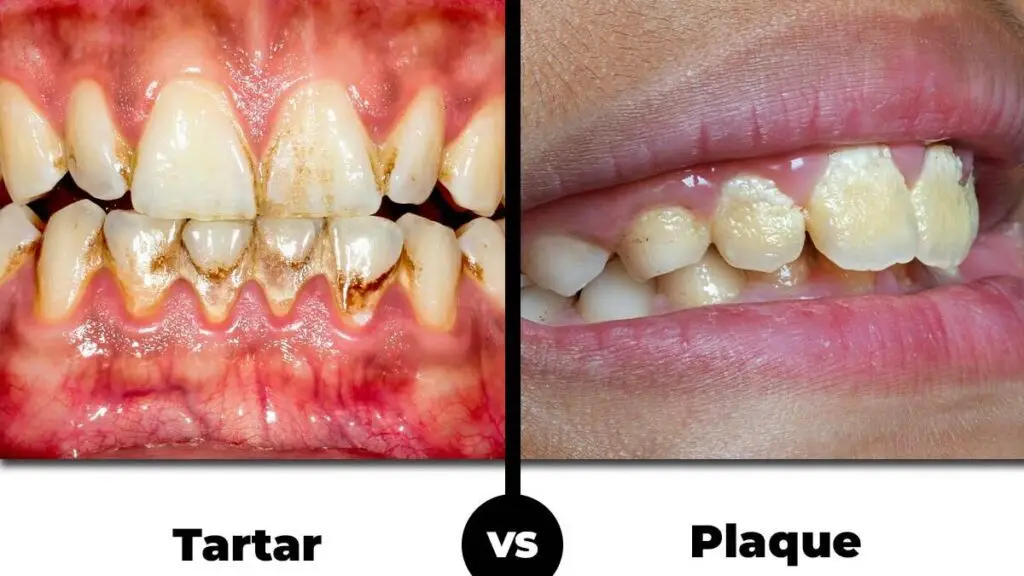
The battle between dental deposits begins in your mouth daily. Understanding the distinctions between plaque and tartar is essential for maintaining optimal oral health and preventing serious dental issues.
Definition of dental plaque
Dental plaque is a soft, sticky biofilm that continuously forms on your teeth throughout the day. This colorless or pale yellow film contains bacteria, food particles, and saliva. Think of plaque as a “bacterial city” – a community of living microbes surrounded by a gluey polymer layer that helps them attach to surfaces in your mouth.
Whenever you eat foods containing sugars or carbohydrates, bacteria in your plaque feed on these substances and produce acids. These acids can damage your tooth enamel and eventually cause cavities. The presence of plaque often goes unnoticed because it’s generally colorless, although you might feel a fuzzy coating when running your tongue over your teeth.
Understanding plaque vs tartar can guide you in better dental hygiene practices.
Definition of tartar (dental calculus)
Tartar, also known as dental calculus, is essentially hardened plaque. Unlike its predecessor, tartar is a firm, calcified deposit that coats teeth and gums with a rough, porous surface. It typically appears yellow or brown and forms both above the gumline (supragingival) and below it (subgingival).
Fundamentally, tartar consists of dead bacteria that have mineralized, mixed with proteins from your saliva. Once formed, this dental deposit strongly bonds to tooth enamel and creates an ideal surface for additional plaque accumulation.
How plaque turns into tartar
The transformation from plaque to tartar happens remarkably fast. Within just 24 to 72 hours, neglected plaque can harden into tartar. This process occurs through mineralization – minerals from your saliva, particularly calcium and phosphate, begin to deposit into the plaque matrix, causing it to crystallize and harden.
Consider this analogy: plaque is like wet cement, while tartar resembles hardened concrete. This calcification process happens naturally in your mouth, especially in areas where plaque accumulates and remains undisturbed, such as around the gumline and between teeth.ween teeth.
Why the difference matters for Oral Health in 2026
The distinction between plaque and tartar is crucial because:
- Removal methods differ: While plaque can be removed through daily brushing and flossing, tartar cannot be eliminated through regular oral hygiene. Only dental professionals can remove tartar using specialized tools.
- Escalating oral health risks: Tartar creates a rough surface where more plaque can easily accumulate, creating a cycle of buildup. This leads to:
- Tooth enamel erosion and cavities
- Gum inflammation and bleeding (gingivitis)
- Bad breath (halitosis)
- Eventual gum recession and disease
- Possible tooth loss if left untreated
Consequently, preventing plaque from transforming into tartar through diligent oral hygiene represents your first line of defense against serious dental problems. Regular professional cleanings are equally important since they’re the only way to remove tartar once it forms.
What causes plaque and tartar buildup?
Understanding the root causes behind dental deposits helps us take proactive steps toward prevention. Beyond just knowing what plaque and tartar are, identifying their triggers allows for more effective oral health management..
Sugary and starchy foods
The formation of plaque begins immediately after eating. When saliva, food particles, and fluids combine in your mouth, they create an environment where bacteria thrive. These bacteria particularly feast on foods containing carbohydrates and simple sugars.
Foods that significantly contribute to plaque growth include:
When we discuss dental hygiene, the terms plaque vs tartar come up frequently, and knowing how they differ is vital for effective care.
Identifying plaque vs tartar helps you take the necessary steps to maintain oral health.
- Sugary treats like cakes, sweets, and candies
- Starchy items such as bread, pasta, and potato chips
- Carbonated soft drinks and sweetened beverages
These foods provide fuel for bacteria that produce acids, which then attack tooth enamel and eventually lead to cavities. Furthermore, the sticky nature of many carbohydrate-rich foods allows them to adhere to teeth surfaces, providing extended feeding opportunities for bacteria..
After eating, plaque vs tartar can form quickly if proper oral hygiene is not followed.
Poor brushing and flossing
Daily oral hygiene is crucial as plaque constantly forms in your mouth. Without proper brushing and flossing, plaque hardens into tartar within just 24-72 hours. Once this transformation occurs, regular brushing becomes ineffective against the hardened deposits.
Dry mouth (low saliva) Production
Saliva is nature’s internal mouthwash. It:
- Neutralizes acid
- Remineralizes teeth
- Flushes food particles
- Controls bacteria
Causes of reduced saliva:
- Stress
- Coffee & dehydration
- Medications
- Diabetes
- Snoring
- Mouth breathing
- Smoking
Smoking and Tobacco use
Tobacco use significantly increases your risk of developing plaque and tartar. Smokers are more likely to produce bacterial plaque, which accelerates gum disease progression. The chemicals in tobacco products create an ideal environment for plaque to harden into tartar.
Moreover, smoking affects oral health through multiple mechanisms:
- Reduces oxygen in the bloodstream, impairing gum healing
- Alters the oral environment’s temperature and humidity
- Negatively impacts saliva’s buffering capacity
- Disrupts the healthy balance of oral bacteria
Research shows smoking may account for nearly 80% of attributable risk for destructive forms of periodontitis in cigarette users.e aggressively.
How to prevent plaque and tartar buildup in 2026
Preventing dental deposits requires a comprehensive approach rather than just occasional care. Taking proactive steps today can save you from painful and expensive treatments tomorrow.
Brush twice daily with fluoride toothpaste
First and foremost, brush your teeth twice daily for at least two minutes each time using fluoride toothpaste. Fluoride strengthens tooth enamel, making it more resistant to acid attacks from bacteria. Studies show higher fluoride concentrations in toothpaste provide increased cavity protection. For optimal results, use a soft-bristled toothbrush and pay special attention to your gumline where plaque readily accumulates.
If possible, use an electric toothbrush — studies show it removes significantly more plaque than a manual brush.
Floss daily to Clean between teeth
Even the best toothbrush can’t reach between teeth where approximately one-third of tooth surfaces remain. Daily flossing removes food particles and plaque from these hard-to-reach areas before they harden into tartar. Research indicates proper flossing can reduce dental bills by up to 40%..
Use an antibacterial mouthwash
Adding an alcohol-free antibacterial mouthwash to your routine helps kill bacteria that cause plaque. Swishing twice daily reaches places your brush and floss might miss. Different mouthwashes offer various benefits – chlorhexidine shows “high-certainty evidence” of reducing dental plaque, whereas essential oil mouthwashes can reduce plaque by 32% compared to placebo..
Eat a balanced, low-sugar diet
Choose:
✔ fruits
✔ vegetables
✔ nuts
✔ dairy
✔ whole grains
✔ cheese (excellent for saliva stimulation)
Avoid frequent snacking — each snack feeds bacteria.
Drink more water
Water washes away food particles, dilutes acids, and helps maintain saliva production. Fluoridated water provides additional cavity protection, as research comparing cities with and without fluoridated water supplies has demonstrated. Keep hydrated throughout the day for continuous oral cleansing benefits.
Avoid tobacco & betel nut
Both tobacco products and betel nut significantly increase plaque and tartar formation. These substances contribute to periodontal disease and create an environment where harmful bacteria thrive. Quitting these habits can dramatically improve your oral health outcomes.
When to seek professional dental treatment
No matter how diligent your home dental care routine, professional intervention becomes necessary at certain points in your dental health journey.
Signs you need a dental cleaning
Your body often signals when it’s time to see a dentist. Watch for these warning signs:
- Swollen, red, or bleeding gums when brushing
- Persistent bad breath despite regular brushing
- Visible yellow or brown deposits on teeth
- Increased sensitivity to hot or cold foods
- Receding gums or teeth that appear longer
First and foremost, these symptoms indicate plaque has hardened into tartar, requiring professional attention.
What is scaling and root planing?
Scaling and root planing is a deep cleaning procedure that goes beyond regular cleanings. During scaling, dentists remove all plaque and tartar above and below the gumline, down to the bottom of periodontal pockets. Subsequently, root planing smooths out teeth roots to help gums reattach to teeth. This two-part procedure often requires local anesthesia and might take multiple appointments.
How often should you visit the dentist in 2026?
Despite common belief that everyone should visit every six months, the American Dental Association recommends personalizing visit frequency based on individual risk factors. Indeed, intervals between check-ups can range from 3 months to 2 years depending on your oral health status. Those with history of gum disease, certain medical conditions, or habits like smoking typically need more frequent visits.
Can tartar be removed at home?
Unfortunately, once plaque transforms into tartar, it cannot be removed through regular brushing or home remedies. Obviously, attempting self-removal with sharp objects risks damaging teeth and gums. Only dental professionals have the specialized tools and training necessary to safely remove tartar without harming teeth or gums.
Why dental cleaning is MORE important in 2026
Today we have:
- Higher sugar exposure
- More processed foods
- More snacking culture
- More acidic beverages
- More stress (causing dry mouth)
These conditions lead to:
→ faster plaque buildup
→ quicker tartar formation
→ higher gum disease risk
Regular professional cleaning in 2025 is not optional — it’s essential.
If you experience issues related to plaque vs tartar, it is essential to consult with a dental professional.
Conclusion
Maintaining good oral health begins with understanding the crucial difference between plaque and tartar. Though plaque starts as a soft film that forms daily, it quickly transforms into hardened tartar within just 24-72 hours if left untreated. Therefore, consistent dental hygiene serves as your first defense against serious oral health issues.
Regular brushing with fluoride toothpaste, daily flossing, and using antibacterial mouthwash significantly reduce plaque buildup before mineralization occurs. Additionally, dietary choices play a major role – limiting sugary foods and drinking plenty of water help prevent the initial formation of plaque.
Professional dental care remains essential since tartar removal requires specialized tools and training. Warning signs like bleeding gums, visible deposits, or persistent bad breath indicate the need for professional intervention. Your dentist will determine how frequently you need checkups based on your individual risk factors.
We should remember that prevention costs less than treatment – both financially and in terms of comfort. Tartar buildup leads to more serious conditions including gum disease, tooth decay, and eventually tooth loss if neglected. A proactive approach to dental health today saves us from painful procedures tomorrow.
Ultimately, the battle against plaque and tartar requires vigilance. Armed with knowledge about these dental deposits and committed to proper oral hygiene practices, we can protect our smiles for years to come.
Visit Us for Tartar Removal in Noida
If you notice plaque buildup or hardened tartar, visit:
Family Dental Clinic Multispeciality Centre
Sector 70, Noida — Call: 9312602591| Book your professional dental cleaning today. Protect your smile from plaque and tartar in 2025!
🌐 Family Dental Clinic Multispeciality Centre – Connect With Us
Website:
www.familydentalclinicnoida.com
Instagram:
@familydentalclinicnoida
Facebook:
Family Dental Clinic Noida
X (Twitter):
@fdcnoida
Call / WhatsApp:
📞 9312602591
Regular dental cleanings can help control plaque vs tartar buildup effectively.
We offer:
✔ professional scaling & polishing
✔ gum treatment
✔ dental examinations
✔ maintenance care
Your oral health is our priority.
Key Takeaways (2026 Edition)
- Understanding the difference between plaque and tartar is crucial for maintaining optimal oral health and preventing costly dental problems down the road.
- Plaque transforms into tartar within 24-72 hours, making daily brushing and flossing essential for prevention
- Only dental professionals can remove tartar – home remedies and regular brushing cannot eliminate hardened deposits
- Sugary foods, poor oral hygiene, dry mouth, and tobacco use accelerate plaque and tartar formation
- Professional cleanings are necessary when you notice bleeding gums, bad breath, or visible yellow-brown deposits
- Prevention through proper oral care costs significantly less than treating advanced gum disease and tooth decay
- The key to winning the battle against dental deposits lies in consistent daily care and regular professional maintenance. Once plaque hardens into tartar, the damage becomes irreversible without professional intervention, making prevention your most powerful tool for long-term oral health.
FAQs
Q1. How can I distinguish between plaque and tartar on my teeth?
Plaque is a soft, sticky film that feels fuzzy on your teeth and can be removed by brushing and flossing. Tartar, on the other hand, is hardened plaque that feels like a rough shell on your teeth. It often appears yellowish or brown and cannot be removed by regular brushing.
Q2. What is the recommended daily routine for maintaining good oral hygiene?
A good oral hygiene routine includes brushing your teeth twice daily with fluoride toothpaste for at least two minutes each time, flossing once daily, and using an antibacterial mouthwash. This routine helps prevent plaque buildup and reduces the risk of tartar formation.
Q3. Are electric toothbrushes more effective at removing plaque than manual ones?
Yes, electric toothbrushes have been clinically proven to remove more plaque than manual toothbrushes. Many electric toothbrushes also come with built-in timers to ensure you brush for the recommended two minutes, helping to clean all areas of your mouth effectively.
Q4. How often should I visit the dentist for professional cleaning?
The frequency of dental visits varies based on individual risk factors. While some people may need to visit every three months, others might only need check-ups every two years. It’s best to consult with your dentist to determine the appropriate interval based on your oral health status.
Q5. Can I remove tartar at home using natural remedies?
Ultimately, staying informed about plaque vs tartar is key to maintaining a beautiful smile.
No, once plaque hardens into tartar, it cannot be safely removed at home. Attempting to remove tartar yourself can damage your teeth and gums. Only dental professionals have the specialized tools and training necessary to safely remove tartar without causing harm to your oral tissues.
To summarize, plaque vs tartar has significant implications for your oral hygiene and health.
Thank you for this very helpful blog about plaque and tartar. I really learned a lot from it. The explanations were clear and easy to follow, even for someone who is not a dental expert. It helped me understand why daily brushing and flossing are so important for a healthy smile.
I also liked how the blog explained the difference between plaque and tartar in simple terms. The examples made it easier to remember. This kind of information is very useful for families who want better oral care, like those visiting nashville family dentistry.
Overall, this blog is informative and practical. I appreciate the effort put into educating readers. It encourages better dental habits and awareness for everyone.
This is such a helpful breakdown for 2026! I think a lot of us tend to use the terms ‘plaque’ and ‘tartar’ interchangeably, but understanding that plaque is a film we can manage at home while tartar is essentially ‘cemented’ on really changes how you look at your morning routine.
I was especially interested in the section on Dry Mouth (low saliva). With so many people working busy schedules and perhaps not drinking enough water throughout the day, it’s a reminder that our biology plays just as big a role as our brushing habits. It’s also a great reality check to read that tartar can’t be removed at home, it definitely takes the pressure off trying to ‘scrub’ away something that actually needs a professional touch like scaling. It really makes the case for why those 2026 dental cleanings are about maintenance, not just a ‘quick fix.’
I was just looking into why my routine hasn’t been feeling quite enough lately and pre-read your section on how plaque turns into tartar, which really highlighted that once it hardens, my toothbrush alone isn’t going to cut it. It’s so helpful to see the specific 2026 advice on dry mouth and starchy foods, as it makes you realize how much our modern habits contribute to that buildup without us even noticing.
I was really interested in the chemical shift between these two and followed the step-by-step process of how soft plaque eventually hardens into tartar through mineralisation from saliva. It is so helpful to see it explained that while we can manage plaque ourselves, once it becomes dental calculus, it requires professional scaling and root planing to protect our oral health.